"Peak Nutrition News is the blog relating to www.peaknutrition.ie. It is where you will find loads of interesting articles and links on topical nutrition topics and valuable tips, recipes and training and nutritional techniques for various sports and to promote a healthy lifestyle. I look forward to hearing your opinions and interacting with everyone on the blog."

Search This Blog

Monday, May 31, 2010

TO CARBOHYDRATE LOAD OR NOT

Carbohydrate loading should be considered if......................

1. The exercise is a high intensity endurance activity such as marathon, triathlon, ironman where heavy demands are placed on glycogen stores

2. The activity is likely to involve more than 90 minutes of continuous exercise

3. The athletes habitual diet provides less than 7-8 grams of carbohydrate per kilogram of bodyweight and may not otherwise maximise glycogen stores

4. The athlete is motivated to increase carbohydrate intake for the specific purpose of fuelling for an important event

There are no medical reason such as diabetes that would contraindicate a very high carbohydrate diet for a 3-5 day period

Carbohydrate Loading is not necessary if..................

1. The exercise is not an endurance activity and normal gylcogen stores will be adequate to fuel the event

2. The event will last less than 60 minutes

3. The activity if high intensity for a short duration and will be adversely affected by the weight gain associated with loading (such as sprint events)

4. The athlete is already eating sufficient carbohydrate to allow glycogen stores to be replenished efficiently for their event. Carbohydrate intake should be in the region of 7-10 grams per kilogram of bodyweight depending on the event

5. The athlete has unstable diabetes or is hyperlipidaemic, and a very high carbohydrate intake is contraindicated.

For more details please visit www.peaknutrition.ie or contact info@peaknutrition.ie


Thursday, May 27, 2010

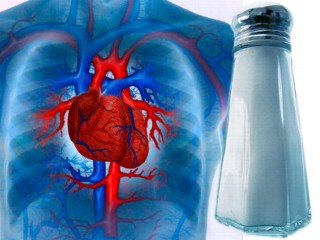
OBSTACLE 5: EXCESSIVE SALT

To eat healthily it is necessary for us to know what our food contains. With the growth of processed foods and inclusion of cheap ingredients added to foods over the last couple of decades in order to improve taste and boost sales, you may well find that you are consuming a few things that you are unaware of. The most common mineral that is overconsumed in the diet is sodium aka salt.

It is hidden in foods that we often think are healthy, meaning that these foods should not necessarily be avoided, but they should definately be reduced.

Too much salt in the diet causes blood pressure to rise, which in turn is a key factor in heart disease, stroke and related Cardiovascular diseases. It also causes dehydration and fluid retention.

Salt can be found in foods such as bacon, sausages, butter, processed meats, bread and tinned foods. Next time you pick up some sandwich meat or a loaf of bread check the label and you may be surprised. Listed as sodium on many foods, it is difficult for the lay person to calculate whether an identified food is high in salt.

To convert sodium to salt just multiply by 2.5. e.g 1g sodium = 2.5 grams of salt.

With the government recommending an upper intake of salt of 6g's per day (just a teaspoon), the average person can be consuming double this easily.

TIP : START TO READ YOUR LABELS

OBSTACLE 4: BUSY SOCIAL LIFE = EATING AND DRINKING TOO MUCH

It goes without saying that most of us want to get out every now and again and relax and let our hair down.

But, what do we do if our lifestyle dictates more meals and parties than the average??

How do you curb your appetite in a restaurant and make better choices and how can you limit those alcohol calories that get the better of most of us from time to time?

It's ok if you have just the occasional meal out and the odd indulgence will not negate good nutrition in the rest of your diet, but if eating out is part of your regular routine, it's necessary to think about how you can minimise the potential damage.

Arriving at a party or function on an empty stomach is likely to lead you into disaster and once you drink you tend to lose your inhibitions and eat more too. If you are exercisng the next day you will also have to think about the dehydrating effects of alcohol and that you take on enough water (generally take one glass of water for every alcoholic drink). If you want to get out and party and socialise while staying as healthy as possible it takes some planning to manage your food and alcohol intake.

You will hear it time and again, but regular meals are the key to managing your eating behaviour at subsequent meals whether at a party in a restaurant or at home. If you have gone without a meal for hours, your blood sugars will be low and this will cause a craving for high calorie sugary foods. Even if you are trying to control these cravings, you will have no chance after your first alcoholic drink. From then on it will be either too much alcohol or too much food resulting in a high calorific load either way only one will result in a sore head.

If you are attending a party, try and ensure that you eat just before going, sticking to one of your regular small meals. That way, hunger will not lead you to drink too much, and selecting healthy snacks as the party goes on becomes easier. Unsalted nuts, bread sticks and lean meat skewers or chicken satay are all reasonable options, but it is important to remember portion control also.

Eat protein equivalent to the size of your fist and carbohydrate of the same quantity. If you are still peckish, check it is not just thirst by having a glass of water.

Carrying low fat protein bars and fruit where you can will help if you are struggling with food selection or if you are only out and about for a couple of hours you can go home to your next meal.

OBSTACLE 3: OVER RELIANCE ON PRE PACKAGED/PROCESSED FOODS


Many people pick up pre-packaged food in the belief that they are as healthy as cooking a fresh meal yourself. Surely as long as it is not too fatty or high in calories then it is good!!!!!!

Unfortunately this is not the case.

Most prepackaged meals are very high in salt and have poorer nutrient values than fresh alternatives. Also consider that if your vegetables, fruit or salad have been pre chopped and packaged, then they have lost the vast majority of their nutritional value already. This also counts for pre cut vegetables, bags of salad and pre prepared fruit salads. If you are thinking of picking up a pre packed meal then take a second to think how long it would actually take to prepare the same meal yourself. Most likely no longer than 20 minutes.

For example, grilled fish, rice and vegetables could be on the table in 20-25 minutes.

To improve the nutrient content of your diet try to move away from packaged foods and spend more time in the fruit, vegetable, meat and fish aisles of your local supermarket. Going back to basics with cooking so that you can control the nutrient content of your diet is a sure fire way to improve your overall health.

Sunday, May 16, 2010

OBSTACLE 2: NOT EATING ENOUGH


Hi and welcome to Peak Nutrition News blog. I am currently covering the 5 main obstacles to healthy eating. Here is Obstacle 2: Not eating enough and its implications. Enjoy.

When we consume foods our metabolism gets fired up and when we do not it starts to slow down. A fast metabolism is necessary to stay nice and lean and a slow one makes it easier to gain fat stores hence the dreaded weight gain.

Similarly, like throwing small logs on a fire to keep it alight, eating small portions frequently will keep our metabolism ticking over quickly and keep it burning calories. As today's lives get busier and people have less time, many people miss breakfast and lunch and then compensate by eating a huge dinner. A large meal at dinner can be similar to throwing a large log on the fire i.e it can smother it and put it out. This erratic eating encourages the body to store fat to provide energy for long periods of not eating and is just about the worst eating patern to follow.

Ever noticed that you are hotter after eating and may have to take a layer of clothing off. This is down to the thermic effect as our metabolism has increased for the period after eating as we digest the meal. Grazing rather than gorging keeps the metabolism strong and is much better for retaining muscle and reducing fat stores. If you have been on a low calorie diet to lose weight quickly, quite often you need to eat more regularly to keep the body burning energy at a higher rate.

Try it

Just divide a sensible calorie intake between 3 meals and 2 snacks and ideally include lean protein such as chicken or fish, low GI carbohydrates such as brown rice or pasta and fruit, vegetables or salad in each meal.

You will be surprised at the results.

Next Obstacle: Over reliance on pre packaged foods


Wednesday, May 12, 2010

OBSTACLE 1: Barriers to Healthy Eating


If you want to get the correct diet for long term health, a desirable weight and for peak performance in sports it is definately worth taking heed of the five top obstacles to a healthy diet.

It can be hard organising a healthy diet when time constraints in today's hectic lifestyle can lead us to selecting the wrong foods and following erratic meal patterns. Over the next few days I will be publishing on the blog some of the common obstacles that can
cause you to make poor food choices and more importantly how they can be avoided.


Obstacle 1: Blood Sugar Swings

Blood sugar swings can lead us to making bad food choices and hence suffer poor energy levels. If we consistently choose sugary high glycaemic snacks such as cakes or chocolate bars our blood sugar levels will shoot up providing us with a very temporary high which can become very addictive. The problem with this is that there is only one way for blood sugars to go next and that is down, which has a knock on effect of causing fatigue, lack of concentration, more sugar cravings and that horrible weak, shaky feeling.


One of the tricks to avoid blood sugar lows is to choose low gylcaemic foods as snacks which have a slower release of glucose into the bloodstream causing the blood sugar levels to remain nice and consistent as the graph shows.

Another key method in avoiding peaks and troughs in your blood sugar levels is to split your calorie intake into small frequent meals instead of the standard three meals per day.

Studies show that by eating small frequent meals individuals have a much lower chance of weight gain and obesity compared to those who eat the standard
three or fewer meals daily. Including a portion or protein at each meal will also give a sensation of fullness therefore lengthening the time until you get the hunger cravings again. Including fibre rich foods at each
meal will also will also help to slow down the glucose response so a healthy helping of grains, fruits or vegetables will help keep those sugar cravings away.

Next obstacle to be covered is the dieters problem of "NOT EATING ENOUGH"